
custom tempered glass
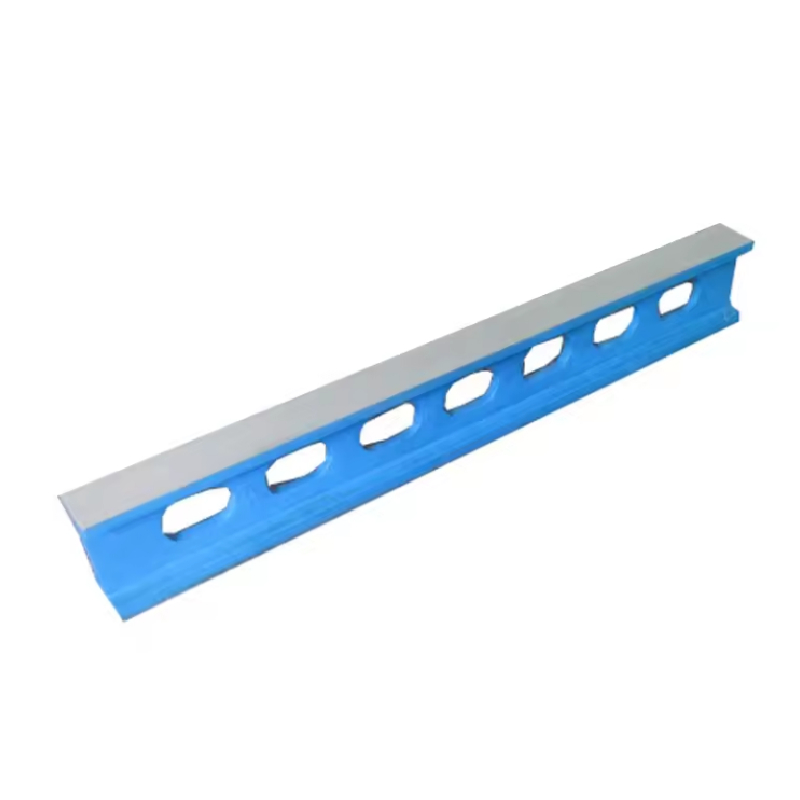
The Essential Guide to Using a 36-Inch Level with a Ruler In the world of construction and woodworking, precision is key. One of the most reliable tools for achieving accuracy in both horizontal and vertical surfaces is the level. A 36-inch level, also known as a spirit level, is an indispensable instrument for both professional builders and DIY enthusiasts. When used alongside a ruler, it can greatly enhance the accuracy of your projects. This article will explore the significance of a 36-inch level with a ruler, how to utilize it effectively, and tips for maintaining both tools. Understanding the 36-Inch Level The 36-inch level is designed to be both straightforward and effective. Its length provides a greater surface area for measuring, making it easier to level larger surfaces. While most levels come with glass vials that contain a liquid and a bubble, a high-quality 36-inch level ensures that the bubble remains perfectly centered when the tool is level. The precision of your level can mean the difference between a project that stands the test of time and one that is plagued by inaccuracies. The Role of a Ruler When paired with a ruler, the 36-inch level becomes even more versatile. The ruler allows for precise measurements before the leveling process even begins. For example, if you need to install a shelf, the ruler can help you mark the exact points on the wall where the brackets will go. Once the marks are made, the 36-inch level is used to ensure that the shelf will be perfectly horizontal. How to Use a 36-Inch Level with a Ruler Using a 36-inch level in conjunction with a ruler is a straightforward process. Follow these steps for best results 1. Gather Your Materials You will need a 36-inch level, a ruler (preferably a metal one for durability), a pencil, and potentially a stud finder if you are working on a wall. 2. Measure and Mark Using the ruler, determine where you want to place your object (shelf, picture, etc.). Use the pencil to make small marks on the wall or surface. 3. Level and Double-Check Take the 36-inch level and place it against the marks you've made. Make sure to hold it steady. Look at the bubble it should be centered between the marked lines. If it’s not, adjust your marks accordingly. 36 inch level with ruler 4. Secure Your Object Once everything is leveled, it’s time to secure your object in place . If you're installing a shelf, drill your holes and install your brackets levelly. 5. Final Check After installation, use the level one last time to ensure that everything is still aligned correctly. Maintenance Tips To ensure the longevity and accuracy of your level and ruler, keep the following tips in mind - Store Properly Avoid storing your level in damp or overly hot environments. This can cause the liquid inside to expand or contract, affecting its accuracy. - Clean Regularly Dust and debris can accumulate on the surface. Wipe down your level with a soft cloth regularly to keep it in prime condition. - Check Calibration Occasionally, check the level’s calibration by placing it on a known flat surface, like a table. The bubble should remain centered. If it drifts, it may need recalibration. - Handle with Care Although levels are designed to withstand some impacts, they can be damaged by heavy falls or drops. Always handle them with care. Conclusion A 36-inch level combined with a ruler is a powerful duo in the realm of accuracy and precision. Whether you’re a seasoned professional or a novice DIYer, understanding how to effectively use these tools will ensure that your work is both beautiful and structurally sound. With proper care and maintenance, your 36-inch level and ruler will serve you well for years to come, enabling you to tackle even the most ambitious projects with confidence.
about
custom tempered glass
Understanding DN80 Gate Valves A Comprehensive Overview Gate valves are essential components in a wide range of piping systems, playing a crucial role in the regulation of fluid flow. Among the various specifications used in valve design, the term DN (Diameter Nominal) is crucial, indicating the nominal pipe size. In this article, we will delve into the specifics of the DN80 gate valve, exploring its features, applications, and considerations for selection and maintenance. What is a DN80 Gate Valve? Defined by the nominal pipe diameter of 80 millimeters (mm), a DN80 gate valve is specifically designed to control the opening and closing of fluid flow in a pipeline. The primary function of a gate valve is to provide full flow with minimal pressure drop, achieved through a wedge-shaped gate that can be raised or lowered within the valve body. This design makes it particularly suitable for applications where the valve is either fully open or fully closed, rather than used for throttling purposes. Key Features 1. Construction Material DN80 gate valves are typically constructed from a variety of materials including cast iron, ductile iron, stainless steel, and carbon steel. The choice of material depends on the application, as factors like temperature, pressure, and fluid composition play a significant role in material selection. 2. Sealing Mechanism Most DN80 gate valves employ a resilient seat design which ensures a tight seal. This reduces the chance of leakage, which is essential in applications where fluid loss can lead to significant operational inefficiencies or environmental hazards. 3. Operating Type Gate valves can be operated manually with handwheels, or automatically using actuators. The choice of operation often hinges on the specific needs of the system; for instance, larger installations may favor automation for efficiency and ease of control. Applications DN80 gate valves are widely used across numerous industries due to their versatility. Some common applications include gate valve dn80 - Water Treatment Plants Gate valves are integral to the operation of water distribution systems, allowing for the control of water flow and maintenance procedures. - Oil and Gas In oil pipelines, DN80 gate valves regulate the flow of crude oil and natural gas, ensuring safe and efficient transportation. - Chemical Processing The chemical industry often requires DN80 gate valves for handling various fluids, facilitating flow regulation while maintaining safety and integrity. Selection Considerations When selecting a DN80 gate valve, several critical factors should be taken into account 1. Pressure and Temperature Ratings The valve must be able to withstand the specific pressure and temperature conditions of the system. It is essential to check the valve's rating to ensure it is suited for the intended application. 2. Fluid Type Understanding the nature of the fluid flowing through the valve is crucial. For example, corrosive liquids will require a gate valve made from compatible materials to ensure longevity and reliability. 3. Installation Space The physical dimensions and orientation of the valve must align with the installation space available in the pipeline system, ensuring proper integration without requiring extensive modifications. 4. Maintenance Requirements Some gate valves may require more frequent maintenance than others, especially in high-pressure applications. Selecting a valve with lower maintenance needs can lead to cost savings and enhanced operational efficiency. Conclusion In summary, the DN80 gate valve is a vital component in various industrial applications, characterized by its ability to provide excellent flow control with minimal resistance. Understanding the features and benefits of DN80 gate valves, along with careful consideration of material, fluid type, and operating conditions, can lead to more effective systems that are both reliable and efficient. Whether in water treatment, oil and gas, or chemical processing, the right gate valve choice can significantly impact operational success.
-

High quality industrial productsagement

High quality industrial products
View Details -

Meet the diverse needs of customers

Meet the diverse needs of customers
View Details -

Strict quality control

Strict quality control
View Details -

Top raw materials

Top raw materials
View Details -

Trusted supplier

Trusted supplier
View Details
Our application



news and information

Using a Spirit Level for Accurate Measurement and Alignment in Various Projects
The Importance of the Spirit Level A Fundamental Measuring Tool In the world of construction and car

Valvola a sfera 150 per applicazioni industriali e residenziali di alta qualità
Valvole a Sfera Il Cuore della Regolazione nei Sistemi Idraulici Le valvole a sfera, o globe valve i

water pressure check valve
Understanding Water Pressure Check Valves Importance, Functionality, and Maintenance Water pressure
 English